Thinking about buying a historic bungalow in Dilworth? It is easy to fall for the front porch, the low rooflines, and the character you just do not see in many newer homes. But in one of Charlotte’s best-known historic districts, charm comes with extra homework, and knowing what to check before you buy can help you avoid costly surprises. Let’s dive in.
Why Dilworth bungalows stand out
Dilworth is not just an older Charlotte neighborhood. According to the City of Charlotte Historic District information, it was Charlotte’s first suburb, founded in the 1890s, linked to downtown by the city’s first electric streetcar, and later shaped by an Olmsted Brothers plan in the 1910s.
That history matters because Dilworth is a preservation-sensitive market. The neighborhood was designated as a local historic district in 1983 and 1992 and was listed in the National Register of Historic Places in 1987. If you are buying here, you are not just buying an older home. You are buying into a district where exterior changes may be reviewed to help preserve historic character.
What defines a Dilworth bungalow
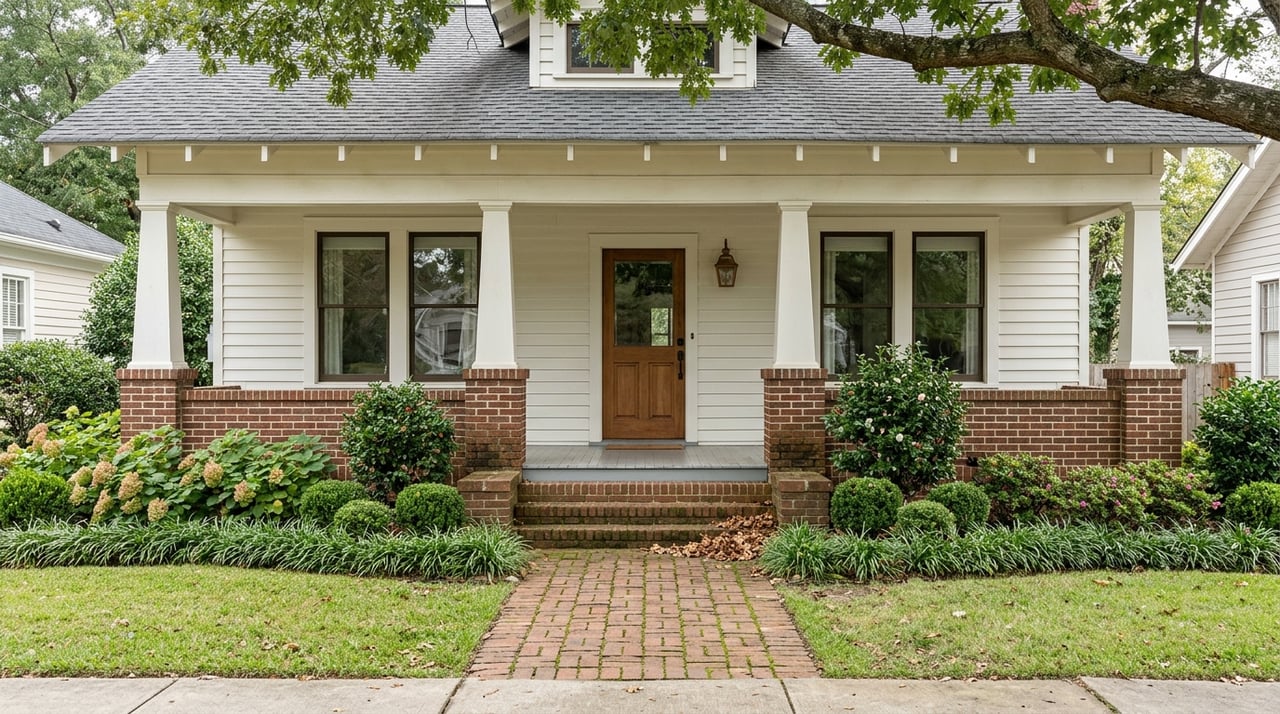
Many buyers picture a bungalow as a cozy, porch-front home with handcrafted detail, and that is a good starting point. The National Park Service describes early 20th-century bungalows as one- or two-story homes with low-pitched roofs, wide overhangs, exposed rafters or beams, and full or partial front porches supported by tapered posts or piers.
Dilworth’s own historic district standards show that bungalow architecture is especially common in the neighborhood, alongside other early styles like Picturesque Cottage and Tudor Revival. That means you should not assume every older house in Dilworth is a pure bungalow, even if it has some similar features. Charlotte’s design standards also reflect that architectural variety.
Features worth noticing
When you tour a Dilworth bungalow, pay close attention to the features that often define its character:
- Front porch design and scale
- Roof shape and overhangs
- Window size and proportions
- Siding and exterior materials
- Original trim and visible woodwork
These details are not just aesthetic. In a local historic district, they can directly affect what can be repaired, replaced, or altered later.
Why historic district rules matter
One of the biggest mistakes buyers make is treating a historic home like any other resale property. In Charlotte’s local historic districts, owners need to contact the Historic District Commission before making many exterior changes. The city states that a Certificate of Appropriateness is required before construction work begins on covered projects.
The review can apply to more than large additions. Depending on the project, it may include windows and doors, fencing, tree removal, demolition, new construction, moving structures, and some site work. Routine maintenance usually does not require review if there is no material or design change, but once you change appearance or materials, the process can be different.
Changes buyers should flag early
Before you close, it helps to think beyond the house as it sits today. If you are already imagining updates, these are the kinds of changes that may trigger review based on Charlotte’s historic district guidance:
- Porch enclosures
- Large additions
- Substitute exterior materials
- Major tree removal
- Significant landscape changes
- Front-yard parking changes
- Painting unpainted masonry
Because Charlotte adopted updated design standards in 2021, it is smart to review current requirements before planning work.
What historic designation does and does not do
Historic district status often comes with assumptions, and some are simply not true. Charlotte’s FAQ explains that local historic districts do not automatically provide tax credits or reduced property taxes. Those benefits generally apply to National Register-listed properties or individually designated historic landmarks, not the local district as a whole.
The same city guidance also says the district does not change the underlying zoning and does not restrict property transfer. That is useful if you are worried that buying in Dilworth means you will face unusual ownership restrictions. The real issue is not whether you can buy or sell. It is understanding how exterior changes may be reviewed after you own the home.
Inspection priorities for a Dilworth bungalow
Older homes need a different inspection mindset. You are not only looking for defects. You are also trying to understand what is original, what has been updated, and whether prior work may affect future repairs or approvals.
Lead paint risks in older homes
Because many Dilworth homes date to the early 1900s, they may fall into the pre-1978 category for lead risk. The EPA’s lead disclosure rule explains that pre-1978 homes may contain lead-based paint or lead-contaminated dust, and buyers of covered housing have disclosure rights.
This matters even more if you plan to renovate. EPA warns that sanding, cutting, window replacement, and similar work can create dangerous lead dust, and covered renovation work that disturbs lead paint must be handled by lead-safe certified contractors.
Asbestos concerns during renovation
If a home has older floor tile, ceiling tile, pipe wrap, or similar materials, do not guess based on appearance. The EPA’s asbestos guidance says asbestos cannot be identified reliably by sight alone.
If you plan to disturb suspect materials, sampling by a trained professional is the safer path. If materials are in good condition and will not be disturbed, leaving them alone is often the safest option.
Moisture and drainage issues
Moisture is one of the biggest long-term threats to older homes. The National Park Service guidance on moisture control emphasizes reducing standing water and improving ventilation in basements or crawlspaces.
For a Dilworth bungalow, that means looking carefully at:
- Grading around the home
- Gutters and downspouts
- Roof drainage patterns
- Crawlspace or basement ventilation
- Signs of rot, mildew, or condensation
A beautiful porch and original trim can lose their appeal quickly if hidden moisture problems are left unchecked.
Windows and original systems
Historic windows are another key issue. The National Park Service window guidance notes that historic windows should be repaired rather than replaced when possible, and that storm windows or weatherstripping can improve efficiency without removing historic character.
You will also want a close look at HVAC, electrical, and plumbing systems. Sensitive upgrades are appropriate in historic homes, but older systems can vary widely from one house to another. A bungalow with thoughtful system improvements may offer a very different ownership experience than one with deferred maintenance hidden behind fresh paint.
Smart due diligence before you buy
In Dilworth, due diligence should go beyond the usual contract and inspection steps. Because exterior changes may require approval, you want to understand both the house and the paper trail.
Questions to ask before you commit
Use this checklist as a starting point:
- Verify whether the parcel is inside the mapped local historic district
- Ask for prior Certificates of Appropriateness
- Request records of permits for exterior work
- Confirm whether past changes to porches, windows, fences, tree removal, or masonry were approved
- Review inspection findings with future repair plans in mind
This step matters because Charlotte’s historic district rules can apply to exactly those types of exterior changes. If past work was done without approval, that is worth understanding before you move forward.
How to think about renovation potential
The right Dilworth bungalow can be a wonderful home, but the best opportunities are not always the ones with the flashiest updates. In historic districts, value often comes from a balance of repair, selective replacement, and smart system improvements that respect the home’s original character.
That is why buying here is often more nuanced than buying in a newer neighborhood. You may be comparing one home with preserved original windows and another with newer replacements, or one home with a repaired porch and another with a reworked exterior that may need more research. The goal is not perfection. The goal is understanding what you are buying and what your future options may be.
Why local guidance matters
Dilworth is a niche market within Charlotte. The homes are older, the architectural details matter, and the local review process can affect what you do after closing. Having an experienced local agent can help you evaluate the property, ask the right questions, and line up the right due diligence before you make a decision.
If you are considering a historic bungalow in Dilworth, working with a team that understands Charlotte’s older housing stock can help you move forward with more clarity and confidence. When you are ready to talk through the process, connect with Kim Hamrick for thoughtful, local guidance tailored to your next move.
FAQs
What makes a home a bungalow in Dilworth?
- A Dilworth bungalow often has a low-pitched roof, wide overhangs, a prominent front porch, and visible handcrafted details such as tapered porch supports, trim, and simple but strong rooflines.
Do Dilworth historic district rules apply to all home repairs?
- No. Charlotte states that routine maintenance usually is not reviewed if there is no material or design change, but many exterior alterations may require a Certificate of Appropriateness before work begins.
Do homes in Dilworth’s local historic district get tax breaks?
- No. Charlotte’s FAQ says local historic districts do not automatically receive tax credits or reduced property taxes.
What should buyers inspect first in a historic Dilworth bungalow?
- Buyers should pay close attention to lead paint risk, possible asbestos in older materials, moisture and drainage issues, crawlspace or basement conditions, historic windows, and the condition of major systems like HVAC, plumbing, and electrical.
Why should buyers ask for past permits and COAs on a Dilworth home?
- Buyers should request those records to confirm whether past exterior work, such as changes to porches, windows, fences, tree removal, or masonry, was properly approved under Charlotte’s historic district rules.