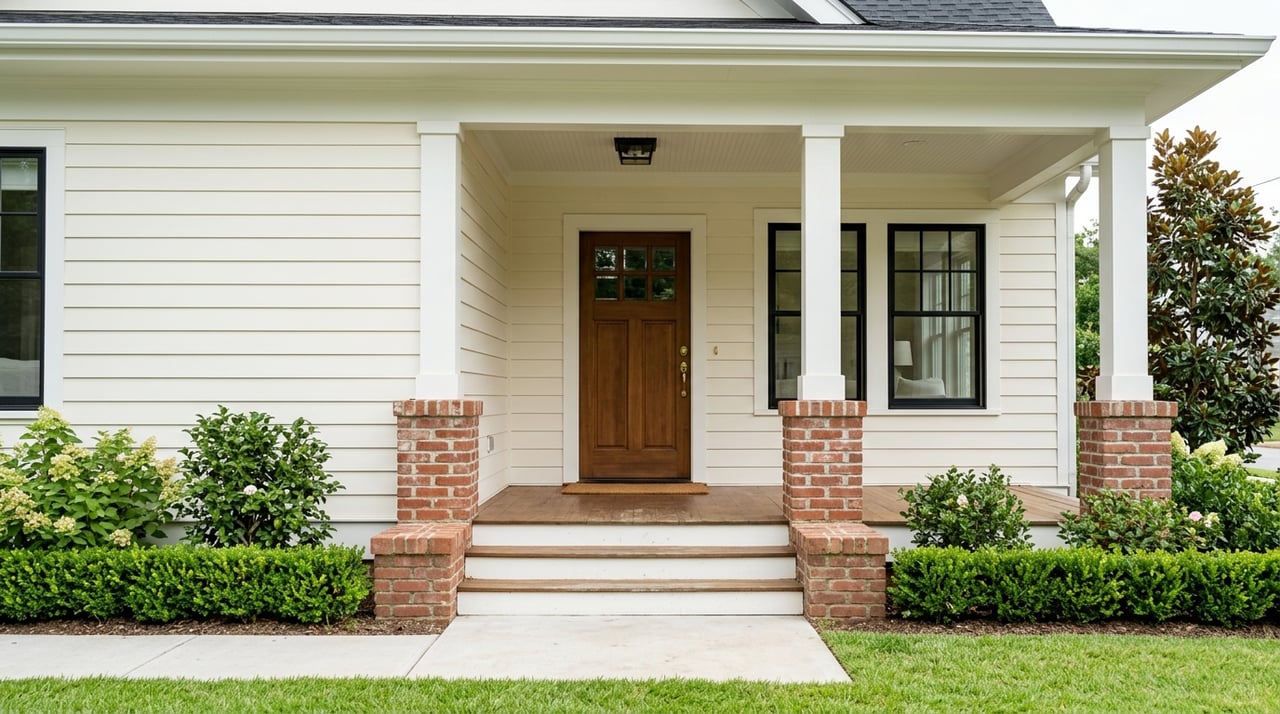
Selling a historic home in York is not the same as selling a newer house. Buyers are often looking at two things at once: the charm that makes the property special and the condition that tells them how well it has been cared for. If you want to protect value and avoid preventable delays, the right prep work matters. Let’s dive in.
Know what buyers notice first
York is well known for its Historic District, and the York Historic District includes about 180 contributing properties in the downtown commercial and residential areas, with many structures dating to the late 19th and early 20th centuries. That means buyers often pay close attention to original features, upkeep, and whether updates fit the home’s historic character.
In practical terms, your home may be judged a little differently than a standard resale property. Buyers are often asking whether the details that give the home personality have been preserved, whether maintenance has been handled well, and whether any exterior changes were done properly.
Start with repairs, not cosmetic shortcuts
Before you think about paint colors, décor, or photography, focus on repair items that affect both appearance and inspections. Moisture-related issues are especially important in older homes because deferred maintenance can lead to water intrusion and decay.
A smart first pass usually includes checking the roof, gutters, downspouts, caulking, painted surfaces, and porches. If gutters are blocked, paint is peeling, or porch elements show deterioration, those issues can raise concerns quickly during buyer walkthroughs and inspections.
Prioritize moisture control
Historic-home prep should begin with the parts of the house that protect everything else. If water is getting in, even small deferred maintenance items can become bigger concerns in the eyes of buyers.
Focus on these areas first:
- Roof wear or visible roof issues
- Blocked or damaged gutters and downspouts
- Failing caulk around exterior openings
- Peeling paint or exposed wood
- Porch deterioration
- Any visible signs of water intrusion or decay
When these basics are addressed first, your home tends to show better and inspire more confidence.
Be careful with exterior changes in York
If your property is inside York’s designated Historic District, exterior-related work may need review by the Board of Architectural Review through a Certificate of Appropriateness. The board reviews items such as additions, alterations, demolition, new construction, and signage, and the city requires a signed application with enough project detail for review.
That makes one step especially important before listing: if you are thinking about exterior work, check York’s review process first. Doing that early can help you avoid delays, buyer questions, and last-minute surprises.
Repair original features when possible
York’s historic-district materials are clear that repairing original features is preferred. They also emphasize keeping changes compatible with the building’s historic character instead of defaulting to modern substitute materials.
This matters because some products sellers commonly consider for convenience may not be appropriate in the Historic District. York’s policy states that vinyl siding is not an appropriate replacement for historic wood or cement-fiber siding, and vinyl windows, vinyl doors, and vinyl porch columns or railings are not approved in the Historic District.
Treat windows with extra care
Historic windows are one of the first details buyers notice on an older home. National Park Service guidance says deteriorated historic features should generally be repaired rather than replaced, and code or energy concerns alone usually are not reasons to replace windows.
For a York seller, that means quick replacement is not always the best move. If your windows are original or historically significant, careful repair may support both presentation and buyer confidence better than a poorly matched replacement.
Refresh the home without hiding its character
Once key repairs are handled, the next step is presentation. Historic homes tend to perform best when they feel clean, bright, and well cared for, while still letting original details stand out.
That means your goal is not to make the house feel generic. It is to help buyers see the craftsmanship, scale, trim, porches, and other period details without distraction.
Focus on the staging basics that matter most
According to the 2025 Profile of Home Staging, 29% of agents said staging increased the dollar value offered by 1% to 10%, and 49% said it reduced time on market. The most common recommendations were decluttering, whole-home cleaning, and improving curb appeal.
That is especially relevant for historic homes, where visual appeal and first impressions carry a lot of weight. The strongest prep often comes from disciplined basics, not overdecorating.
Start here:
- Declutter every room so original features are easier to see
- Deep clean the whole home
- Simplify furniture layouts to improve flow
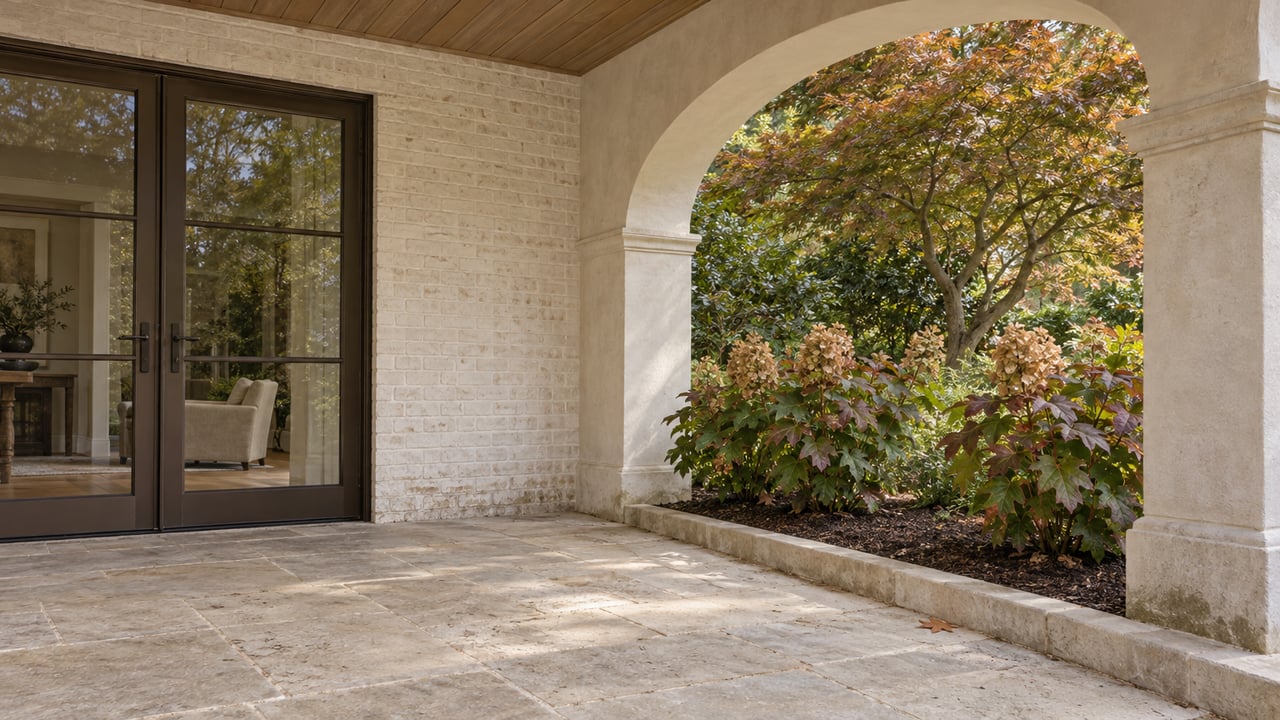
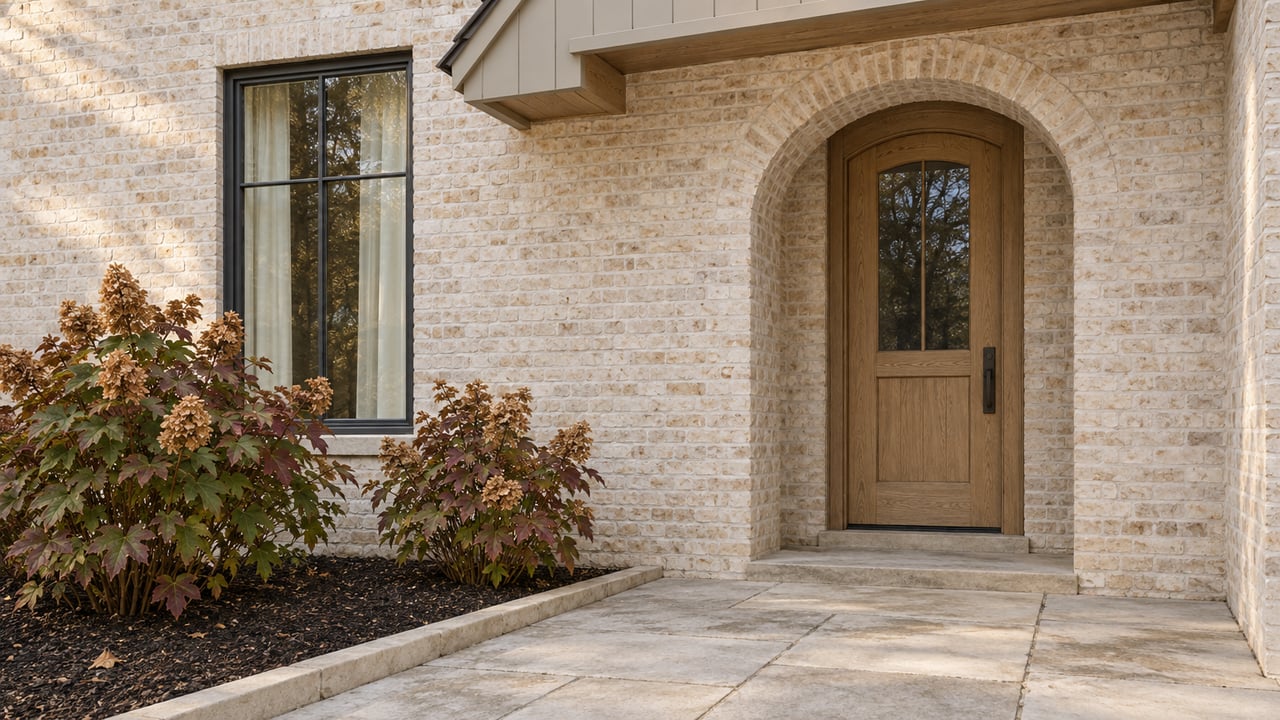
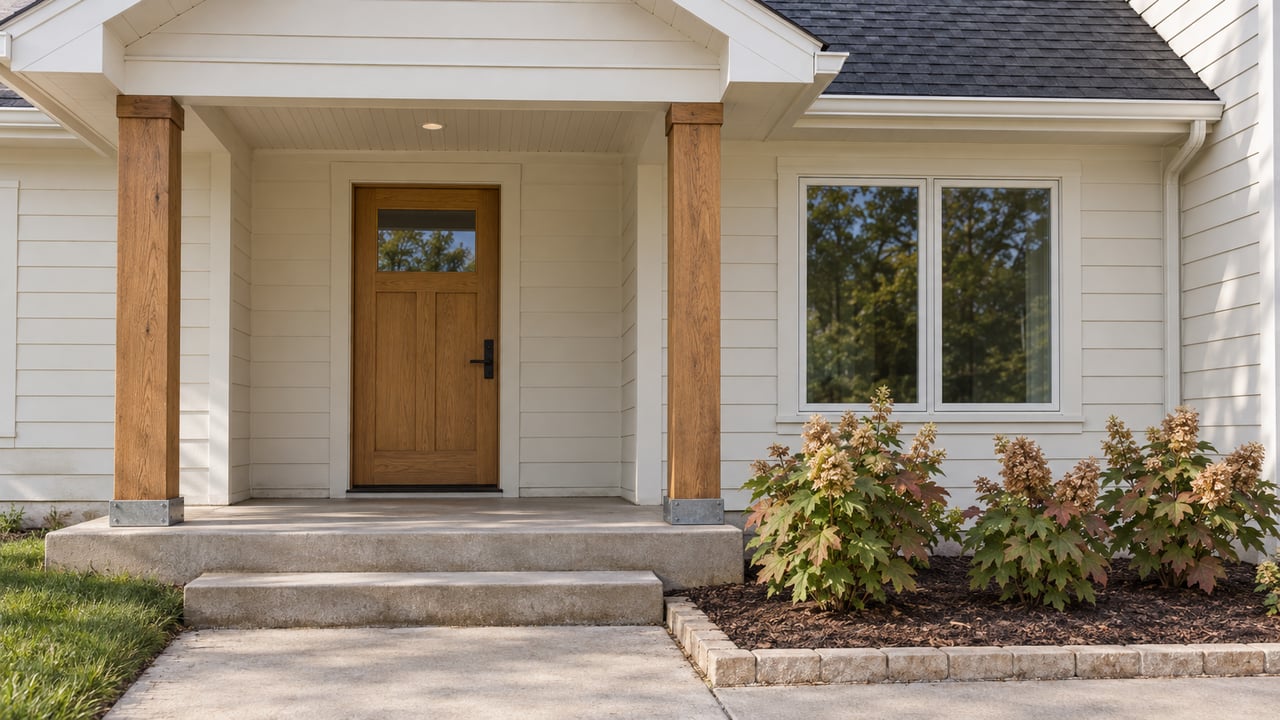
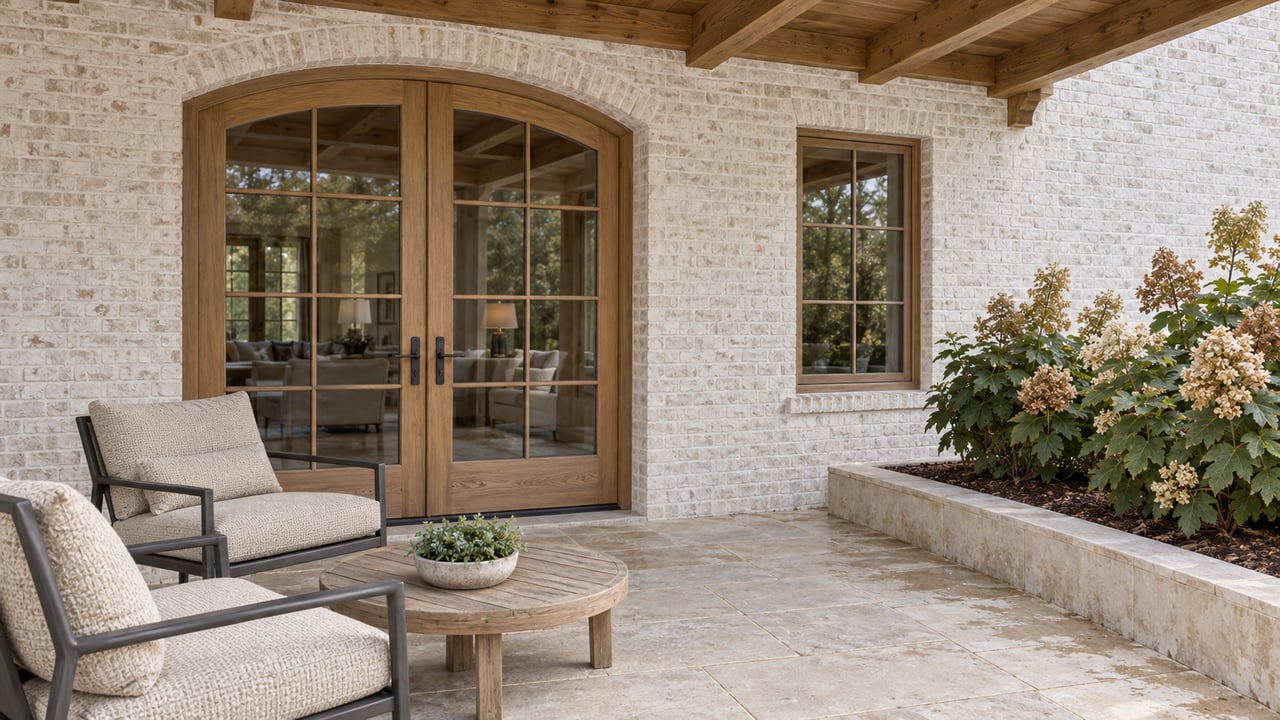
- Freshen curb appeal with tidy landscaping and entry details
- Remove items that block windows, trim, fireplaces, or porch features
Highlight the most important rooms
Staging data also points to the rooms buyers care about most: the living room, primary bedroom, kitchen, and dining room. If your budget or time is limited, put extra energy into these spaces.
In a historic home, these rooms often carry the clearest sense of character. Clean sightlines, balanced furnishings, and good lighting can help buyers appreciate original millwork, ceiling height, window patterns, and architectural details.
Use photography that tells the right story
Strong visuals matter in any listing, but they matter even more when your home’s selling point is character. Buyer-side agents rated photos, videos, physical staging, and virtual tours as highly important, which means presentation needs to translate well online before buyers ever schedule a showing.
For a historic home, polished and realistic is the sweet spot. Buyers often come in with high expectations, and staging research shows many are disappointed when homes do not match the polished presentation they expected.
Show details clearly
Your listing photos should make it easy to see the features that set the home apart. That may include original trim, windows, porches, doors, flooring details, or other period elements.
Avoid letting clutter, oversized décor, or overly stylized staging distract from those features. The goal is to present a bright, honest version of the home that feels inviting and true to its character.
Get your paperwork ready before you list
Historic-home buyers often want answers quickly. If you can provide documentation early, you can reduce uncertainty and make the transaction feel smoother.
York’s own materials for special tax assessment applications show how important documentation can be. The city asks for items such as a Certificate of Appropriateness application, photographs, work descriptions, and proof of value or expenditures.
Keep a simple seller file
If you have completed substantial rehab or exterior work, gather your records before the home goes live. A well-organized file can help you respond to buyer questions with confidence.
Useful items may include:
- Certificates of Appropriateness or related approvals
- Contractor invoices and receipts
- Before-and-after photos
- Written descriptions of completed work
- Records showing what was repaired, replaced, or restored
This is especially helpful if buyers ask whether exterior changes were approved or whether historic elements were repaired in kind.
Do not overlook lead-paint rules
If your home was built before 1978, paint work carries another layer of responsibility. EPA rules require disclosure of known lead-based paint information before the sale of most pre-1978 housing.
EPA also says that paid renovation, repair, or painting work that disturbs painted surfaces must be done by certified workers using lead-safe work practices. If you completed paint-related work before listing, it is smart to have those records in order.
Understand possible incentive questions
Some buyers may ask about rehabilitation incentives tied to the home or past work. In South Carolina, eligible owner-occupied residences may qualify for a 25% state historic rehabilitation tax credit, and the State Historic Preservation Office says the application must be approved before work begins.
York also offers a special tax assessment for rehabilitated historic properties that applies to City property taxes only and, after final certification, can set the assessment at the pre-rehabilitation value for 10 years. If your property has been through major approved rehab, documentation can help you explain what was done and how it was handled.
Work with a strategy built for York historic homes
When you sell a historic home in York, preparation is about more than making the home look nice. You are balancing preservation, buyer expectations, disclosures, documentation, and local review requirements.
That is why a thoughtful plan matters. With the right pre-sale guidance, you can focus on repairs that protect value, present the home in a way that honors its character, and head off avoidable questions before they slow your sale.
If you are getting ready to sell and want a clear plan for repairs, staging, and marketing, Kim Hamrick can help you prepare your York historic home with a local, hands-on approach.
FAQs
What repairs matter most before selling a historic home in York, SC?
- Start with visible maintenance and moisture-related issues such as roof concerns, blocked gutters, damaged downspouts, peeling paint, failing caulk, porch deterioration, and other signs of water intrusion or decay.
What exterior work on a York historic home may need approval?
- If your property is in York’s designated Historic District, exterior-related changes such as additions, alterations, demolition, new construction, and some other exterior work may require review by the Board of Architectural Review through a Certificate of Appropriateness.
Should you replace old windows before selling a historic home in York?
- Not automatically. Guidance for historic buildings says deteriorated historic features should generally be repaired rather than replaced, and York’s historic-district standards strongly favor preserving original features when possible.
Are vinyl windows or vinyl siding allowed on historic homes in York, SC?
- York’s historic-district policy says vinyl siding is not an appropriate replacement for historic wood or cement-fiber siding, and vinyl windows, vinyl doors, and vinyl porch columns or railings are not approved in the Historic District.
What paperwork should you gather before listing a historic home in York?
- Gather any Certificates of Appropriateness, contractor invoices, receipts, before-and-after photos, work descriptions, and other records tied to substantial rehab or exterior work so you can answer buyer questions more easily.
What lead-paint disclosures apply when selling an older home in York, SC?
- For most pre-1978 homes, sellers must disclose known lead-based paint information before the sale, and paid renovation, repair, or painting work that disturbs painted surfaces must be done by certified workers using lead-safe work practices.