Shopping for a home in Ballantyne and keep hearing the term “jumbo loan”? If you’re looking at larger homes or luxury finishes, you’re not alone. Many Ballantyne buyers discover their price point sits above the standard conforming limit, which means different rules and expectations. In this guide, you’ll learn what a jumbo loan is, how it works in Mecklenburg County, what lenders look for, and how to prepare so your purchase stays on track. Let’s dive in.
What is a jumbo loan
A jumbo mortgage is a home loan amount that exceeds the conforming loan limit set each year by the Federal Housing Finance Agency. Loans above that limit are considered non‑conforming because they cannot be purchased by Fannie Mae or Freddie Mac. That difference affects underwriting standards, documentation, interest rates, and the types of programs lenders offer.
Since the conforming limit updates annually, you should check the current FHFA limit for Mecklenburg County before deciding whether you need jumbo financing.
Why jumbos are common in Ballantyne
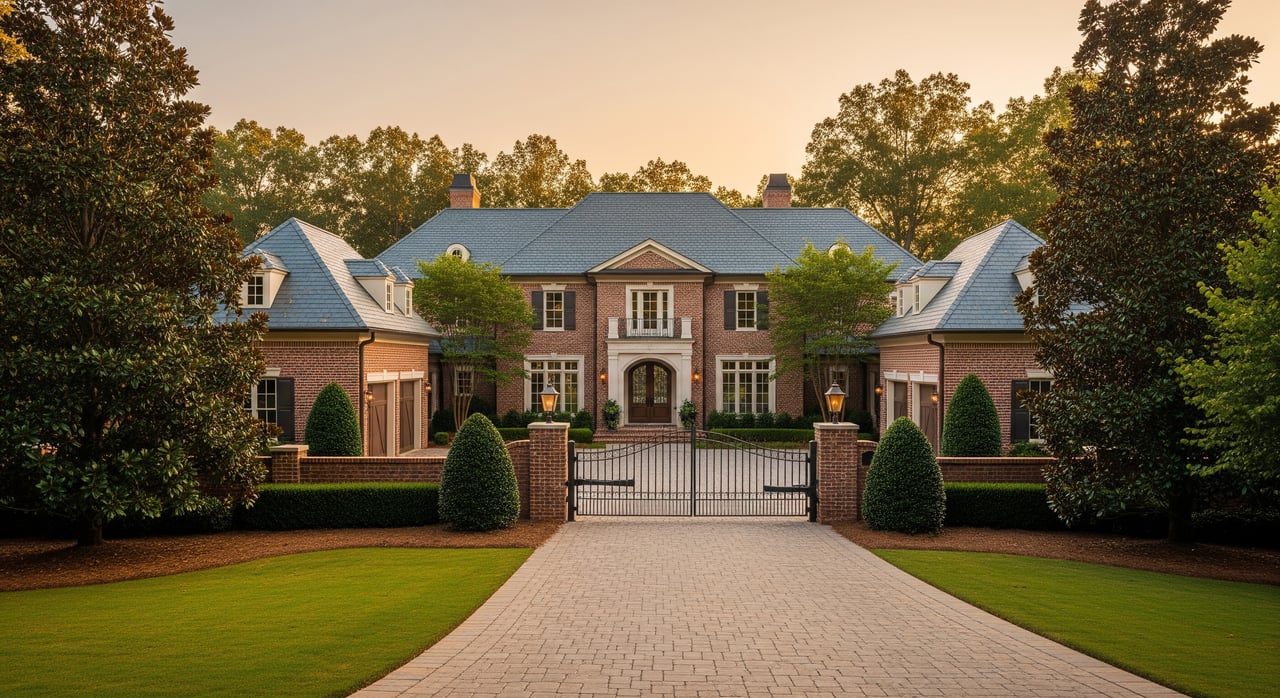
Ballantyne is known for larger single‑family homes, upscale townhomes, and custom features that drive higher price points. Many properties in this micro‑market sit above metro medians, so a portion of buyers naturally crosses into jumbo territory.
- Larger lots and square footage can push loan amounts above the conforming cap.
- Luxury upgrades and outdoor amenities are common and influence valuations.
- Ongoing demand from nearby employment hubs and local amenities supports higher price brackets.
If your target home’s purchase price minus your down payment puts the loan amount above the current conforming limit, a jumbo loan is likely your path.
How lenders qualify you
Jumbo underwriting is usually more detailed than a standard conforming loan. Here’s what most lenders focus on:
Credit score
- Many jumbo programs prefer strong credit. Minimums commonly range from the mid‑600s to the mid‑700s, with best pricing at 700+ or 740+ depending on the lender and product.
- Each lender sets its own thresholds and “overlays.” Ask for specifics early.
Down payment and LTV
- Expect a larger down payment. Many jumbo options start around 10 to 20 percent down.
- Private mortgage insurance is less common for jumbos. Some buyers pair a first mortgage with a second lien to manage the combined loan‑to‑value.
Debt‑to‑income ratio
- Lenders often target lower DTIs for jumbo borrowers. Many aim for under 43 percent, and some want lower for top‑tier pricing.
Cash reserves
- Reserve requirements are usually higher. Plan for several months of mortgage payments in liquid assets, with stronger profiles sometimes requiring fewer months.
Documentation
- Full documentation is standard: recent pay stubs, W‑2s, two years of tax returns, bank and retirement account statements, and verification of any large deposits.
- Self‑employed buyers should expect additional review. Some may use alternative documentation options like bank statements or asset‑based programs through portfolio or non‑QM lenders.
Rates and product choices
Jumbo rates can be similar to or slightly different from conforming rates depending on market conditions and investor appetite. Pricing is highly individual and tied to credit score, down payment, reserves, and loan size.
Common jumbo products include:
- Fixed‑rate jumbos for long‑term payment stability.
- Adjustable‑rate jumbos that may offer lower initial pricing with rate changes later.
- Interest‑only options that are less common and typically reserved for highly qualified borrowers.
- Portfolio and non‑QM programs for unique income or asset profiles.
When comparing options, look at the annual percentage rate, lender fees, prepayment policies, and rate lock terms side by side.
Appraisals in Ballantyne
Higher‑end and unique properties can challenge appraisers, especially in micro‑markets where truly comparable sales are limited.
- Expect a full interior and exterior appraisal for jumbo loans. Waivers are less frequent.
- Some lenders may require a second appraisal or a review appraisal on very large or unusual properties.
- Document upgrades, permits, and maintenance to support value. For custom kitchens, pools, or extensive landscaping, detailed records help appraisers make accurate adjustments.
- Condos and planned communities may face additional review. Some lenders apply stricter condo standards than for single‑family homes.
Plan your appraisal timeline early and build in contingencies that match lender ordering and review windows.
Inspections, condition, and repairs
Jumbo lenders focus closely on property condition. Specific systems like septic or wells may require specialized inspections. If repairs are needed, underwriting may ask for completion prior to closing or require an escrow holdback.
If you are considering renovations after closing, ask your lender about options. Jumbo renovation products exist, but they are more limited. Many buyers choose a standard jumbo and finance improvements separately.
Closing costs and local items in Mecklenburg
Your lender will account for property taxes, recording fees, and any applicable assessments or homeowners association dues in qualifying and at closing. Mecklenburg County processes and fees can affect cash‑to‑close and reserve calculations.
Since county fees and taxes change, review your Loan Estimate carefully and ask your lender to confirm the latest figures for Mecklenburg County.
How to shop lenders in Charlotte/Ballantyne
You have several lender types to consider, and each offers different strengths for jumbo financing:
- Local community banks and credit unions: Often provide portfolio jumbo loans and may be more flexible with local appraisal nuances.
- Regional banks: Offer a broad menu with competitive pricing and in‑house underwriting.
- National direct lenders and mortgage brokers: Can shop multiple investors, which helps with unique income or asset situations.
Brokers bring access to many investors and specialty programs. Direct lenders may offer speed and in‑house decision‑making. Either way, request written pre‑approvals that outline target loan‑to‑value, expected reserves, and rate lock policies.
Buyer checklist for a smooth jumbo purchase
Use this step‑by‑step list to stay ahead of the process:
- Verify the current FHFA conforming loan limit for Mecklenburg County to confirm whether you need a jumbo loan.
- Secure pre‑approvals from more than one lender. Ask each for a clear outline of down payment, reserve expectations, and rate lock timelines.
- Gather documents early: two years of tax returns, recent pay stubs, two months of bank statements, retirement account statements, and sources for large deposits.
- Plan your cash. Jumbo loans often require larger down payments and reserves, so keep liquid funds accessible for closing and several months of payments.
- Schedule inspections quickly and align appraisal timelines with contract dates. Keep an appraisal contingency that reflects lender ordering and review time.
- Choose the right product. Compare fixed versus adjustable options, and if considering non‑QM or portfolio loans, understand the tradeoffs.
- Review local closing costs, including property taxes, recording fees, and any HOA assessments.
Seller tips to attract jumbo buyers
If you are selling a home that may require jumbo financing for your buyer, preparation helps you avoid appraisal and underwriting surprises.
- Price for the micro‑market. Use recent, relevant comparable sales to support your price.
- Provide documentation. Share upgrade lists, permits, maintenance records, and a feature sheet to support value.
- Consider early inspections. A pre‑listing inspection or a summary of recent repairs builds buyer confidence and can reduce appraisal concerns.
- Plan for appraisal conversations. Be open to solutions if the appraisal comes in short, such as price adjustments, credits, or timing flexibility so the buyer can bridge a gap.
Common scenarios to plan for
- Self‑employed buyers: Expect deeper income analysis and possible alternative documentation programs through portfolio or non‑QM options.
- Relocating buyers: Build extra time into your rate lock and appraisal schedule, especially if you are coordinating travel for inspections.
- New construction: Appraisal timing, final punch lists, and certificates of occupancy can affect closing dates, so lock terms accordingly.
- Unique or custom upgrades: Provide detailed invoices and descriptions to help appraisers quantify value.
Next steps
If your Ballantyne home search is trending above the conforming limit, early preparation is your advantage. Confirm your loan type, organize documents, and plan for appraisal and closing timelines that fit a jumbo loan’s extra steps. When you partner with a local real estate team that understands Ballantyne’s micro‑markets, you can move with confidence and keep your transaction on track.
Ready to talk strategy for your Ballantyne move or sale? Reach out to Kim Hamrick for local guidance tailored to jumbo‑price properties in South Charlotte and Mecklenburg County.
FAQs
What is a jumbo loan in Mecklenburg County
- A jumbo loan is any mortgage amount above the current FHFA conforming limit for the county, which means it follows non‑conforming rules and lender‑specific guidelines.
What credit score do I need for a jumbo in Ballantyne
- Many lenders prefer scores in the mid‑700s for best pricing, though some programs may accept mid‑600s depending on the rest of your profile.
How much down payment is typical for a jumbo mortgage
- Many jumbo programs expect 10 to 20 percent down, with stronger compensating factors needed for lower‑down options.
Are jumbo mortgage rates higher than conforming loans
- It depends on market conditions; jumbo rates can be similar to or slightly different from conforming, and pricing varies by borrower profile.
How long does a jumbo loan closing take in Ballantyne
- Jumbo underwriting can take longer than a standard conforming loan, especially for unique properties or self‑employed borrowers, so build in extra time for appraisal and review.
What happens if the jumbo appraisal comes in low
- Your options may include a price adjustment, seller credits, renegotiated terms, or additional buyer funds to bridge the gap, depending on the contract and lender guidelines.